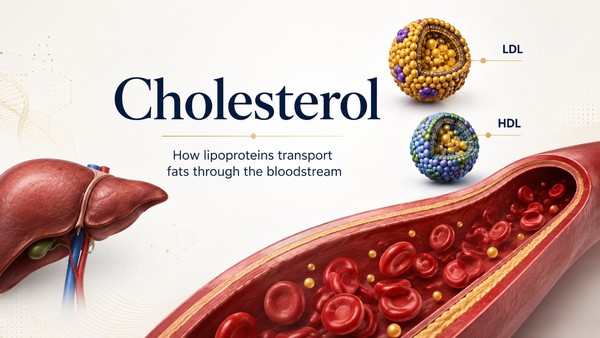
Are Coconut oil and coconut milk bad for your LDL levels?
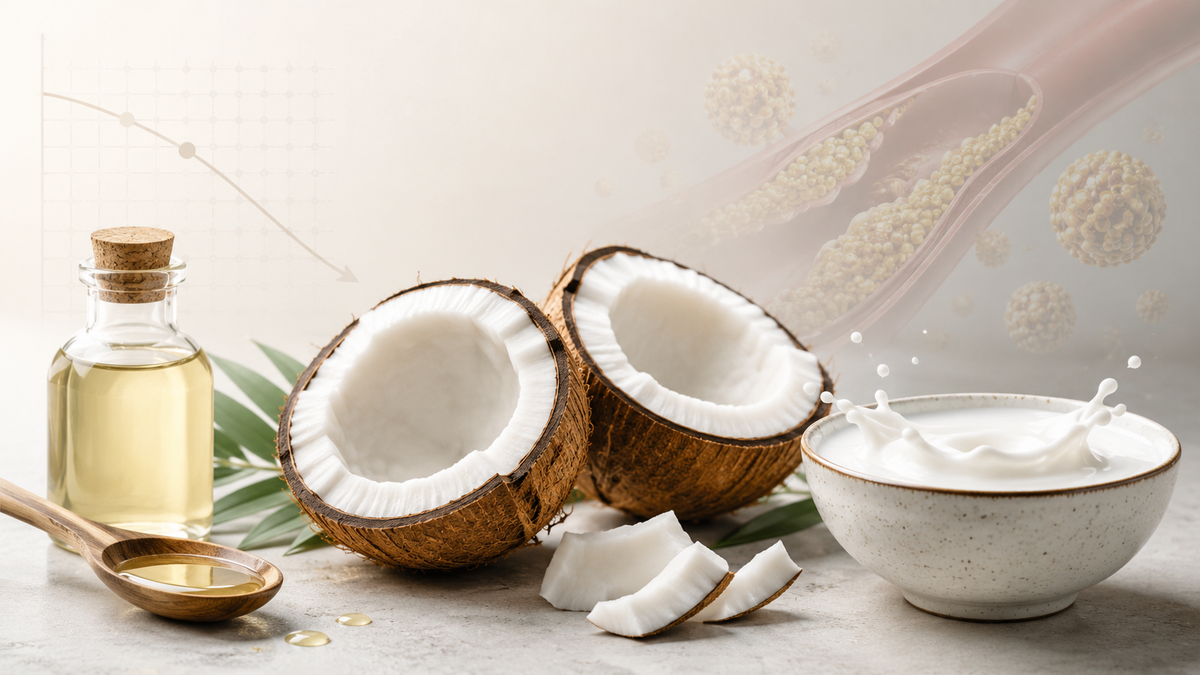
This is a very common question with a fairly straightforward answer but the detail is worth digging into.
Coconut as it comes, off the tree, is made up of
Husk – the fibrous outer layer
Shell – The hard layer under the husk
Flesh – This is the white stuff that you know as coconut, most of the fat is in this
Water – this is mainly water with some sugar and minerals. Very little fat.
Coconut milk is actually made from the flesh, it is ground up, mixed with water and the milk is then ‘squeezed’ from this mixture, so it contains fat, protein and carbohydrate from the flesh.
Coconut cream is a more concentrated version of the milk.
Coconut oil is fat that has been isolated from the flesh, which means it’s almost entirely fat.
The key difference here is that coconut milk is closer to a whole food source, i.e., it still contains the proteins and the carbohydrate from the flesh, whereas, coconut oil has been isolated and therefore further from its natural state.
We can see in other foods that when saturated fat is consumed as part of the whole food that it came from, the impact on LDL can be less. This is due to the food matrix, which is a whole other topic of its own. But what it essentially means is that when fats are bound together naturally with protein and carbohydrate we can see different impacts on LDL.
This may be relevant to the question about why countries that eat a lot of coconut based foods don’t have high levels of heart disease, or didn’t, many do now due to the introduction of western processed foods.
To answer the question, we really need to take a look at the evidence. Many studies have been carried out on coconut oil but fewer on coconut milk.
Studies
The Effect of Coconut Oil Consumption on Cardiovascular Risk Factors: A Systematic Review and Meta-Analysis of Clinical Trials
This study pooled results from 16 different trials looking at the impact of coconut oil on LDL. The result was that coconut oil increased LDL levels by on average 10.4 mg/dL (0.27 mmol/L).
Effect of different forms of coconut on the lipid profile in normal free-living healthy subjects: A randomized controlled trial (Phase II)
This study took 190 people and split them into groups, one group supplemented with coconut oil, one group coconut milk, one group desiccated coconut and another was a control group. The results showed that the group who supplemented with coconut milk saw their LDL levels reduce and HDL levels increased. The coconut oil and the desiccated coconut group saw LDL increase and HDL increase.
The study postulated that the coconut milk’s constituent soluble fibre and protein could be the reason for this, the desiccated coconut contained less protein and the fibre was coarser rather than the finer fibre which is known to aid LDL reduction.
Before we get too excited about these results, there is a problem. We have seen that when pooled together, other studies have seen LDL increase by 10.4 mg/dL with coconut oil, however in the above study the increase was only 2.4 mg/dL, so we have to question the validity, in particular, the participants were from Sri Lanka and were left to consume their normal diets in addition to the supplement which could already contain high levels of coconut products.
The coconut oil studies were also comparing coconut oil to other non tropical oils, eg olive oil.
Evidence
Its fair to say that the evidence for coconut oil having an adverse effect on LDL exists but evidence for coconut milk is sparse, however, the question remains, why have countries that consume large amounts of coconut products had relatively low levels of heart disease. It’s fair to say that until recently they had a very different diet to western diets, even after the introduction of highly processed foods in the west which has seen an increase in cardiac disease.
More interesting evidence
An interesting study looked at migrants from a Polynesian island called Tokelau. Around 63% of their calorific intake came from coconut, mainly flesh and cream, not oil. Their LDL levels were unremarkable, sitting at 119 mg/dL (3.08 mmol/L) and incidence of coronary disease was low. Researchers were able to study islanders who migrated to New Zealand. It was found the migrants overall saturated fat consumption decreased, consumption of refined carbs increased and exercise reduced. Their LDL levels were slightly higher than their islander relatives, incidence of chest pain was higher and more ECG changes were observed. Due to the age of the population, it was not possible to understand coronary mortality risk. Even though we don’t have an understanding of coronary disease risk we must pay attention to the fact LDL increased even though saturated fat consumption decreased.
So what we see from above again is that saturated fat alone is not the whole story, lifestyle must also be considered when looking at both LDL and coronary disease risk.
We can see that consumption of saturated fat in the form of a whole food and as part of a healthy lifestyle does not necessarily pose the same risk as consumption of isolated saturated fats along with poorer health habits.
So, should you have the Thai green curry? Well I think the answer, and the approach I take is yes occasionally as part of a sensible diet rich in polyunsaturated and monounsaturated fats.
Related Content
 Rik Charles