Does alcohol raise LDL cholesterol and will quitting or cutting down alcohol reduce my LDL?
Does alcohol raise LDL cholesterol and will quitting or cutting down alcohol reduce my LDL cholesterol?
General advice given by health specialists usually includes moderating alcohol intake when trying to manage LDL levels. But how bad is alcohol for LDL levels? After all it does not have any saturated fat which we know is the main pathway to increased LDL levels.
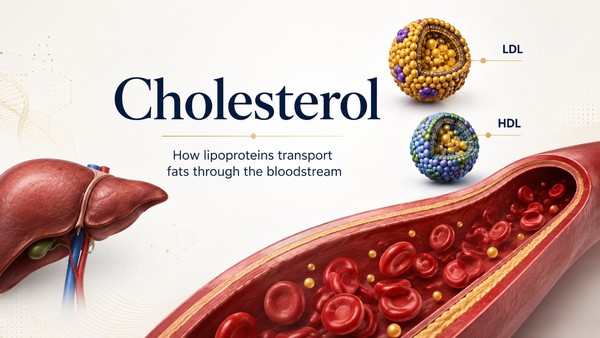
To understand the risks better we need to step back a bit. The reason we are interested in our LDL levels is the increased risk of atherosclerosis we are put at when levels are elevated, this is covered in detail in this series.
Atherosclerosis is a type of heart disease; therefore, we are effectively managing our risk of getting heart disease. So we will consider this question on two fronts, does alcohol increase LDL levels and how does alcohol affect heart disease risk.
LDL
Several studies have been conducted to understand the impact alcohol consumption has on LDL and HDL levels.
This meta-analysis (pooled 24 studies together) found that alcohol had no significant impact on LDL and in fact increased HDL.
One study found that at 15g/day (1 unit per day), LDL levels fell on average by 0.11 mmol/L, however, more alcohol did not cause LDL to drop further.
Another study took 20 men and measured their LDL over two separate three week periods, one where they drank 40g alcohol per day in the form of beer and another where they drank none. LDL dropped 7.8% during the beer drinking period.
This study showed the same for 48 men.
So overall the evidence shows that alcohol has no impact or even possible a slightly positive impact on LDL levels.
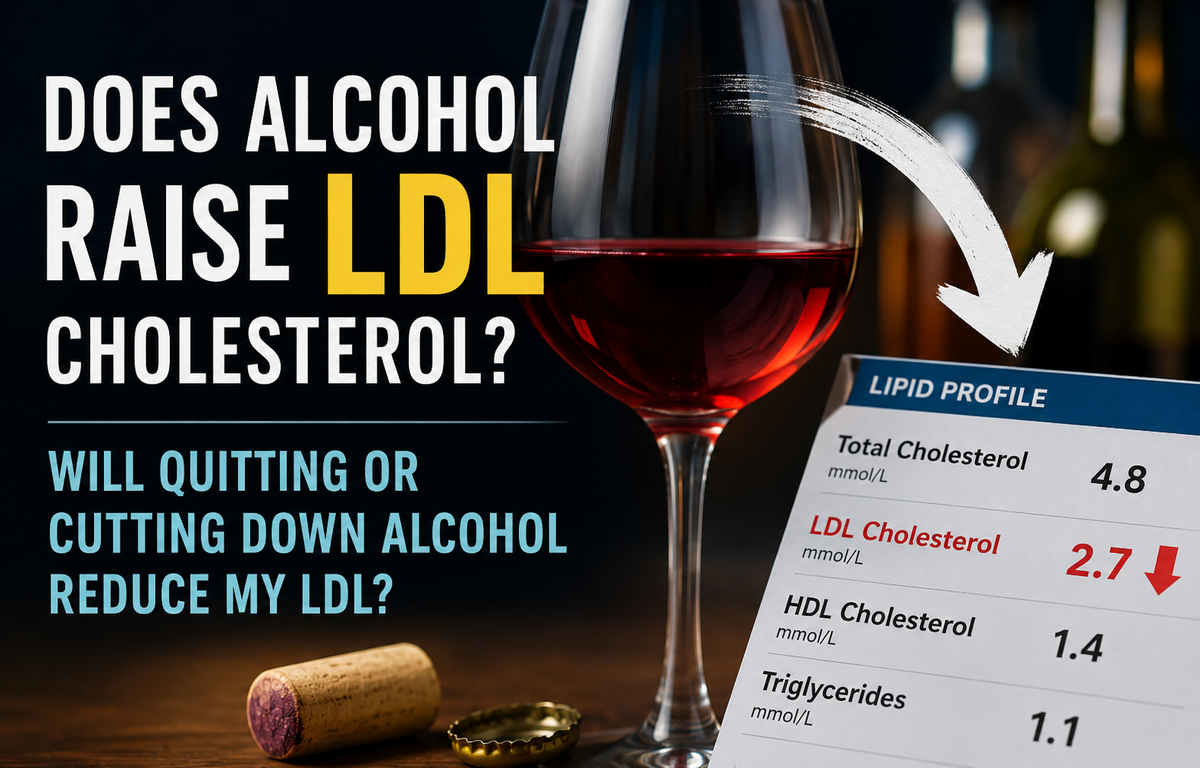
My personal experience is a drop in LDL of 0.5 mmol/L following abstinence from alcohol for three months, but I have a theory about that one which I will cover later.
Heart Disease Risk
For years, study after study showed that that a small amount of alcohol was more protective to the heart than complete abstinence. One of the key question, that however, was not asked was why non-drinkers did not drink. Its very possible they were recovering alcoholics, previous binge drinkers or even ill. These facts could clearly skew the results. This 2026 analysis reassessed this and found the benefits of being an occasional drinking were statistically insignificant.
So discounting the benefits of occasional drinking let’s look at the risk factors.
This meta-analysis looked at the impact of alcohol on blood pressure, higher blood pressure is a known risk factor in heart disease. The results showed that increasing amounts of alcohol increased blood pressure.
It is also known that alcohol can increase the likelihood of atrial fibrillation, it increases stroke risk. Sustained heavy drinking damages the heart muscle and even binge drinking can increase the likelihood of arrhythmias.
So, looking at heart disease risk, the picture is quite different and as it turns out the small LDL / HDL benefits we see with alcohol are outweighed by the negative effects it can have on our heart and cardiovascular system and we haven’t even considered cancer risk.
As ever, it would seem that moderation is key.
Going back to my experience with alcohol and LDL. I went through a phase where alcohol was really starting to affect my mood and energy levels. To be fair I was drinking too much, Friday, Saturday and Sunday every week. Following a few beers and some wine on a Sunday my mood would be flat until Thursday, just in time to start the cycle again on Friday. I decided to stop for a while and see how I felt. It was a great experience and although I drink in moderation now, I have never gone back to the habitual cycle I was in. Back then I wasn’t intentionally looking at the impact alcohol was having on my LDL I just happened to have tests both sides of the abstinence period. As I mentioned my LDL dropped by 0.5 mmol/L, from 3.2 to 2.7. Looking back, I don’t think it was the alcohol directly that caused this. My diet Monday – Thursday was always pretty good, but with a drink always came the nibbles, crisps etc and then usually some more substantial fattier food to soak it all up. When I stopped drinking a lot of this was cut out and I reckon that’s where the benefit came from. I also lost weight and having less fat can also reduce LDL but that’s a topic for another post.
So, to answer the original question, no, alcohol does not seem to raise LDL directly and cutting out only alcohol will not significantly impact your LDL levels but healthier habits that come with not drinking or drinking less may do so. It is clear however, that your overall heart disease risk will reduce if you cut down / stop, and after all that’s why we measure our LDL!